


Global Aluminum Market Holds Firm Amid Gulf Supply Disruptions: War Premium Fades From Futures
Meta Description: Gulf aluminum plant damage has cut 2 million tonnes from global supply, yet LME futures have erased their war premium. Rising exports from China and Indonesia help balance the market, while physical premiums stay elevated.
London, July 24 — Regional tensions linked to Iran have flared up again, but the impact is barely visible in aluminum futures prices. Damage to two Persian Gulf smelters and logistics disruptions across other producers have created a global supply shortfall of around 2 million metric tons, yet market pricing has stabilized sharply from earlier highs.
After spiking to a four-year high of $3,787.50 per tonne in early June, the three-month aluminum contract on the London Metal Exchange (LME) now trades around $3,170 per tonne — roughly the level seen before the U.S.-led operation with Israel against Iran on February 28.
Gulf Supply Recovery Remains Uncertain
There are positive signals from Emirates Global Aluminium, which is resuming operations at its Al Taweelah plant following the strikes. Production is expected to return to full capacity this quarter, with 89 out of 1,262 smelting lines brought back online as of early July.
The situation at Aluminium Bahrain remains unclear, while Qatar Aluminium is operating at roughly 60% of capacity.
Gulf output fell by about 20% in the first half of the year, and smelting rates have dropped by more than 2 million tonnes on an annualized basis since the start of the conflict. A full recovery could take several months even if conditions normalize. That outcome looks increasingly unlikely amid renewed U.S. bombardments of Iran, Tehran’s growing influence in the Strait of Hormuz, and intensified Red Sea blockades by Iran-backed forces.
Chinese Exports Buffer Global Supply Gaps
Much of the market’s confidence stems from rising exports from China and India, which can partially offset Gulf production losses during a prolonged disruption.
Chinese smelters are operating with strong margins, supported by low-cost alumina feedstock and high metal prices. Capacity utilization is estimated at around 99%, according to AZ Global.
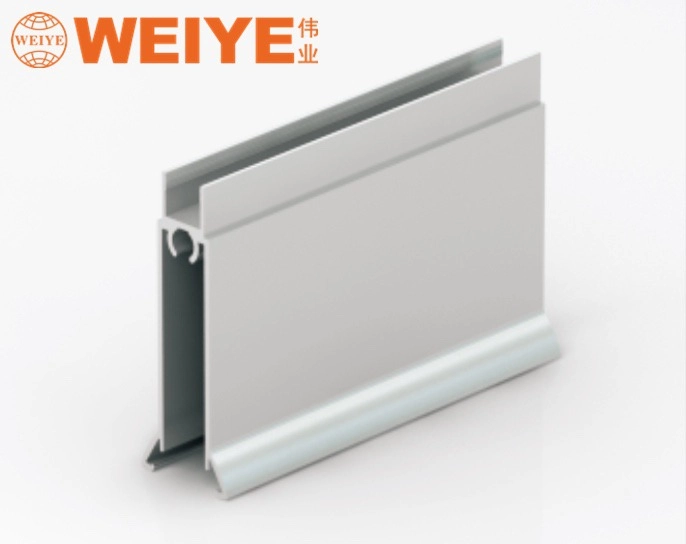
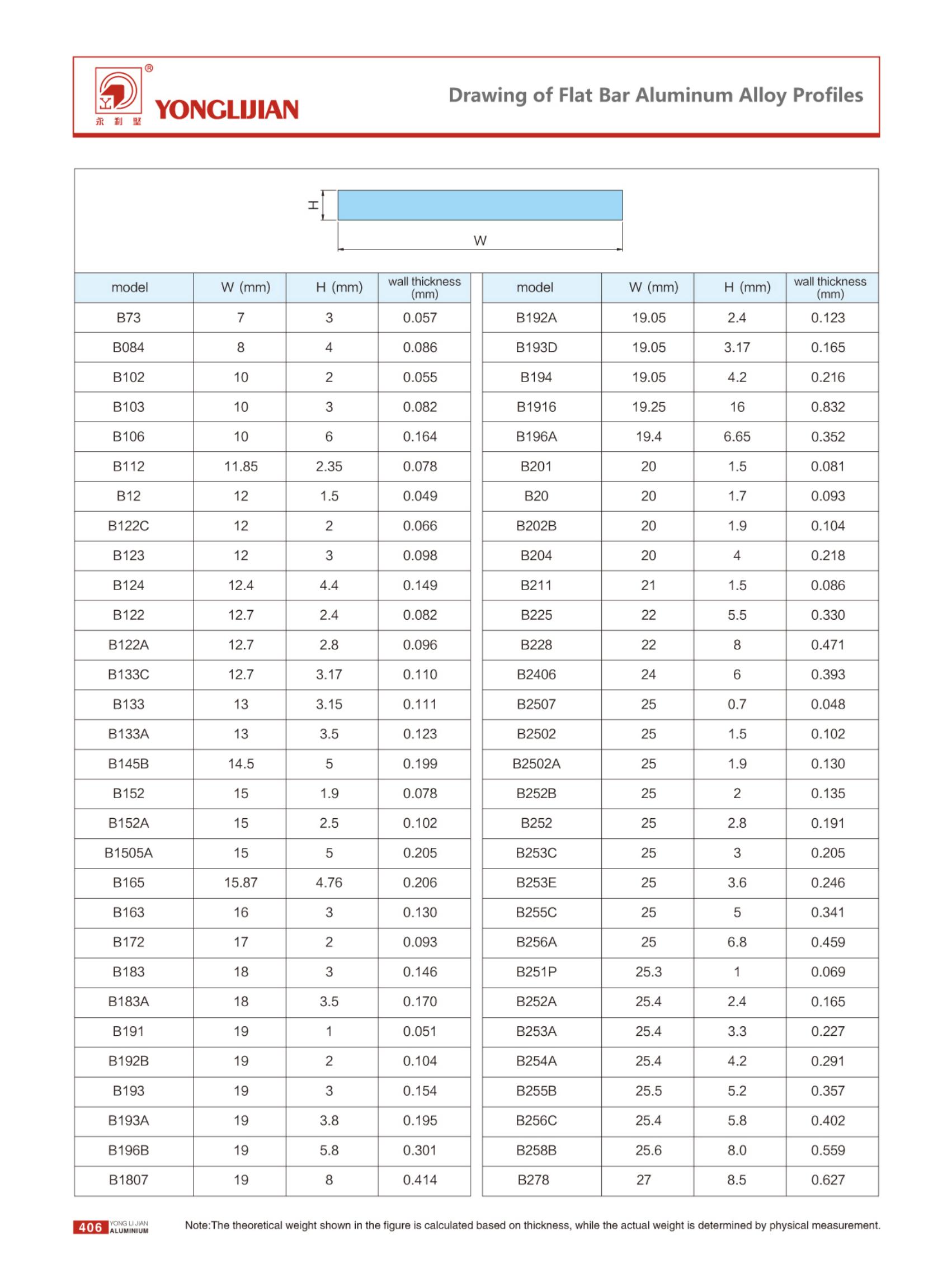
Exports of aluminum semifinished products — including ingots, bars and tubes — rose 10% year over year in the first five months of 2026. May shipments totaled 595,000 tonnes, the highest monthly figure since November 2024.
While Chinese exports do not fully replace Gulf production, they help rebalance the market and ease procurement pressure for European and American buyers. At the same time, the growing volumes create competition for Western Hemisphere capacity and raise the risk of trade restrictions.
Indonesia Emerges as Fast-Growing Aluminum Supplier
Indonesia is rapidly becoming a key supplier of primary aluminum, driven by a wave of Chinese investment in new smelters.
The Hua Chin smelter — a 480,000-tonne-per-year joint venture between Tsingshan Holding Group and Huafon Group — started operations last year and filed in May to register its HCAI brand with the LME. Another new producer, Alamtri Resources Indonesia, is commissioning a similarly sized plant and shipped its first exports in June.
Industry experts estimate the country’s development plan includes up to 11 new smelters with a total annual capacity of around 13 million tonnes.
Indonesia’s primary metal exports jumped from 155,000 tonnes in 2024 to 511,000 tonnes in 2025, and grew 58% year over year in the first five months of 2026. This rapid supply growth is a major factor behind the erosion of the war premium. It is worth noting that the carbon footprint of these new capacities affects import costs under climate regulations such as the EU’s CBAM.
Inventory Stockpiles and Diverging Physical Premiums
Last year’s major shipment destinations included China, which accounted for about 40% of all volumes, followed by South Korea at 16% and Vietnam at 12%. A substantial share also flowed to Europe, especially in the fourth quarter.
Indonesian producers shipped 15,000 tonnes to Spain, 14,800 tonnes to Croatia, 11,000 tonnes to Bulgaria, 5,000 tonnes to Italy, 5,500 tonnes to the UK, and another 39,000 tonnes to Turkey. This pattern was widely viewed as stockpiling ahead of the EU’s Carbon Border Adjustment Mechanism (CBAM) at the start of the year. While some of Indonesia’s new capacity runs on hydropower, coal-powered plants face higher costs under the regulation.
Stockpiles have helped smooth the impact of Gulf disruptions, but a key open question is how depleted those inventories have become and when replenishment will be needed.
Notably, the war-risk premium has vanished from the LME futures market but persists in CME physical premium contracts. The European premium for duty-free delivery has risen 65% since the start of the conflict, and the Japanese premium has nearly doubled. While LME traders remain calm about regional threats, physical market participants are far less confident.
Market Outlook: Volatility Likely Ahead
Against this backdrop, analysts expect further volatility in the aluminum market, even if the current war premium disappears from futures. The temporary easing of price pressure driven by alternative supply growth and inventory buffers does not eliminate the underlying risks to regional production and logistics.